
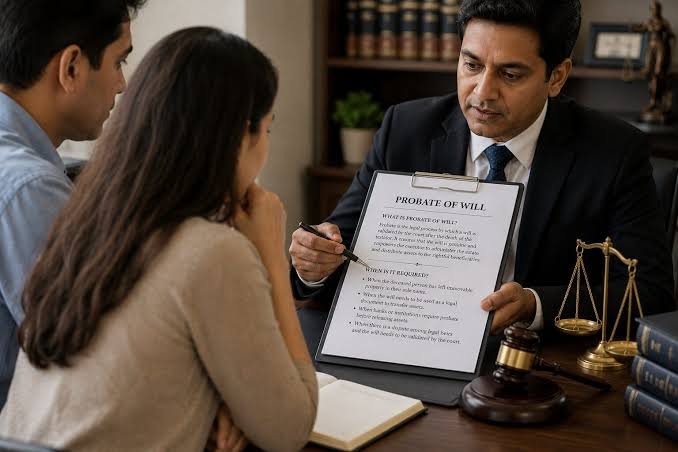
Probate administration is an essential part of settling a person’s estate after they pass away. While the process often has a reputation for being lengthy and overwhelming, understanding how it works can help families make informed decisions and avoid unnecessary complications. Whether an estate is straightforward or involves multiple assets, proper probate administration ensures debts are addressed, legal requirements are met, and property is distributed according to the law or the deceased’s wishes.
For families facing the loss of a loved one, knowing what to expect during probate administration can reduce stress and help prevent costly mistakes. With experienced legal guidance, executors and beneficiaries can move through each step more efficiently while protecting the interests of everyone involved.
What Is Probate Administration?
Probate administration is the legal process of managing and distributing a deceased person’s estate. During probate, the court oversees the validation of a will, appoints a personal representative if necessary, confirms outstanding debts, and authorizes the transfer of remaining assets to beneficiaries.
Although every estate is different, probate generally serves several important purposes:
- Validates the deceased person’s will
- Identifies estate assets
- Pays valid debts and taxes
- Resolves disputes when necessary
- Distributes remaining property to heirs or beneficiaries
Without proper probate administration, families may experience delays, financial complications, or legal disagreements that prolong the settlement process.
Why Probate Administration Matters
Many people assume probate simply involves reading a will and dividing assets. In reality, it is a structured legal process designed to protect creditors, beneficiaries, and the estate itself.
Proper probate administration helps:
- Ensure legal compliance
- Protect estate assets
- Prevent unauthorized distributions
- Minimize conflicts among family members
- Create an organized record of estate transactions
Following the required legal procedures also reduces the risk of personal liability for executors and personal representatives.
Common Steps in Probate Administration
Although timelines vary depending on the complexity of the estate, most probate cases follow a similar sequence.
1. Filing the Probate Petition
The process begins by filing the necessary documents with the probate court. If a valid will exists, the court reviews it before officially opening the estate.
2. Appointment of a Personal Representative
The court appoints an executor named in the will or an administrator when no will exists. This individual has legal authority to manage the estate throughout probate administration.
Responsibilities often include:
- Gathering financial records
- Protecting estate assets
- Communicating with beneficiaries
- Working with financial institutions
- Filing required legal documents
3. Identifying Estate Assets
A complete inventory of assets is prepared. These may include:
- Real estate
- Bank accounts
- Investment accounts
- Vehicles
- Business interests
- Personal property
- Valuable collectibles
Accurate asset identification is one of the most important parts of probate administration because it establishes the total value of the estate.
4. Paying Debts and Taxes
Before assets can be distributed, legitimate debts and taxes must be resolved.
These may include:
- Credit card balances
- Medical bills
- Mortgage obligations
- Personal loans
- Final income taxes
- Estate-related expenses
Proper documentation helps ensure creditors are paid appropriately while protecting beneficiaries from future claims.
5. Distributing Remaining Assets
Once financial obligations have been satisfied, remaining assets are distributed according to the will or applicable state inheritance laws.
The court may require final accounting before officially closing the estate.
Challenges Families Often Encounter
Every estate presents unique circumstances, and probate administration can become more complicated when unexpected issues arise.
Some common challenges include:
Missing Estate Documents
If financial records, titles, or account information cannot be located, identifying estate assets becomes significantly more difficult.
Family Disagreements
Disputes among heirs regarding inheritances, executor decisions, or property ownership may delay probate administration.
Creditor Claims
Determining which creditor claims are legally valid requires careful review and compliance with court procedures.
Complex Assets
Businesses, investment portfolios, rental properties, and multiple real estate holdings often require additional documentation and valuation before distribution.
How Proper Planning Can Simplify Probate Administration
Estate planning can significantly reduce the burden placed on surviving family members.
Helpful planning strategies include:
- Creating a legally valid will
- Organizing financial documents
- Maintaining updated beneficiary designations
- Keeping asset records current
- Reviewing estate plans after major life events
While not every estate can completely avoid probate, thoughtful preparation often makes probate administration more efficient and less stressful.
Responsibilities of a Personal Representative
Serving as a personal representative involves substantial legal responsibilities. Many individuals are surprised by the amount of work required.
A personal representative must:
- Act in the best interests of the estate.
- Maintain accurate financial records.
- Notify beneficiaries and creditors.
- Preserve estate property.
- File required court documents.
- Distribute assets properly.
- Complete final accounting.
Failure to meet these responsibilities may expose the representative to legal liability, making professional guidance particularly valuable.
Benefits of Working With a Probate Attorney
Although some estates are relatively simple, many families benefit from experienced legal support throughout probate administration.
An attorney can assist with:
- Preparing court filings
- Interpreting probate laws
- Managing deadlines
- Resolving beneficiary disputes
- Addressing creditor claims
- Coordinating asset transfers
- Ensuring legal compliance
Professional legal guidance often helps families avoid delays, reduce administrative burdens, and navigate complicated legal requirements with greater confidence.
Probate Administration and Estate Planning Work Together
Many people think about probate only after losing a loved one. However, effective estate planning and probate administration are closely connected.
A comprehensive estate plan helps:
- Clarify personal wishes
- Reduce uncertainty
- Protect beneficiaries
- Improve estate organization
- Simplify future legal proceedings
Reviewing estate plans periodically helps ensure documents remain aligned with changing family circumstances and financial goals.
Frequently Asked Questions About Probate Administration
Does every estate go through probate administration?
Not necessarily. Certain assets may transfer outside probate depending on ownership structure, beneficiary designations, or applicable state law.
How long does probate administration usually take?
The timeline varies depending on the size of the estate, creditor claims, court schedules, and whether disputes arise. Some estates are completed within several months, while more complex cases may take considerably longer.
Can probate administration become contested?
Yes. Family disagreements, questions regarding a will’s validity, or disputes over estate management can all result in contested probate proceedings.
Is legal representation required?
While not always legally required, many executors and families choose professional legal assistance because probate administration involves strict legal procedures, deadlines, and documentation requirements.
The Importance of Proper Probate Administration
Probate administration plays a critical role in ensuring estates are managed responsibly and distributed according to the law. Although the legal process may appear overwhelming at first, understanding the required steps helps families make informed decisions during a challenging time.
Working with knowledgeable legal professionals can provide clarity, reduce administrative burdens, and help executors fulfill their responsibilities with confidence. Whether planning ahead or managing a loved one’s estate, experienced guidance helps make probate administration more organized, efficient, and legally compliant.To learn more about probate administration and estate planning services, visit guardianlawaz.